
Men’s Sexual Health Supplements: A Self‑Check Questionnaire and Practical Guide
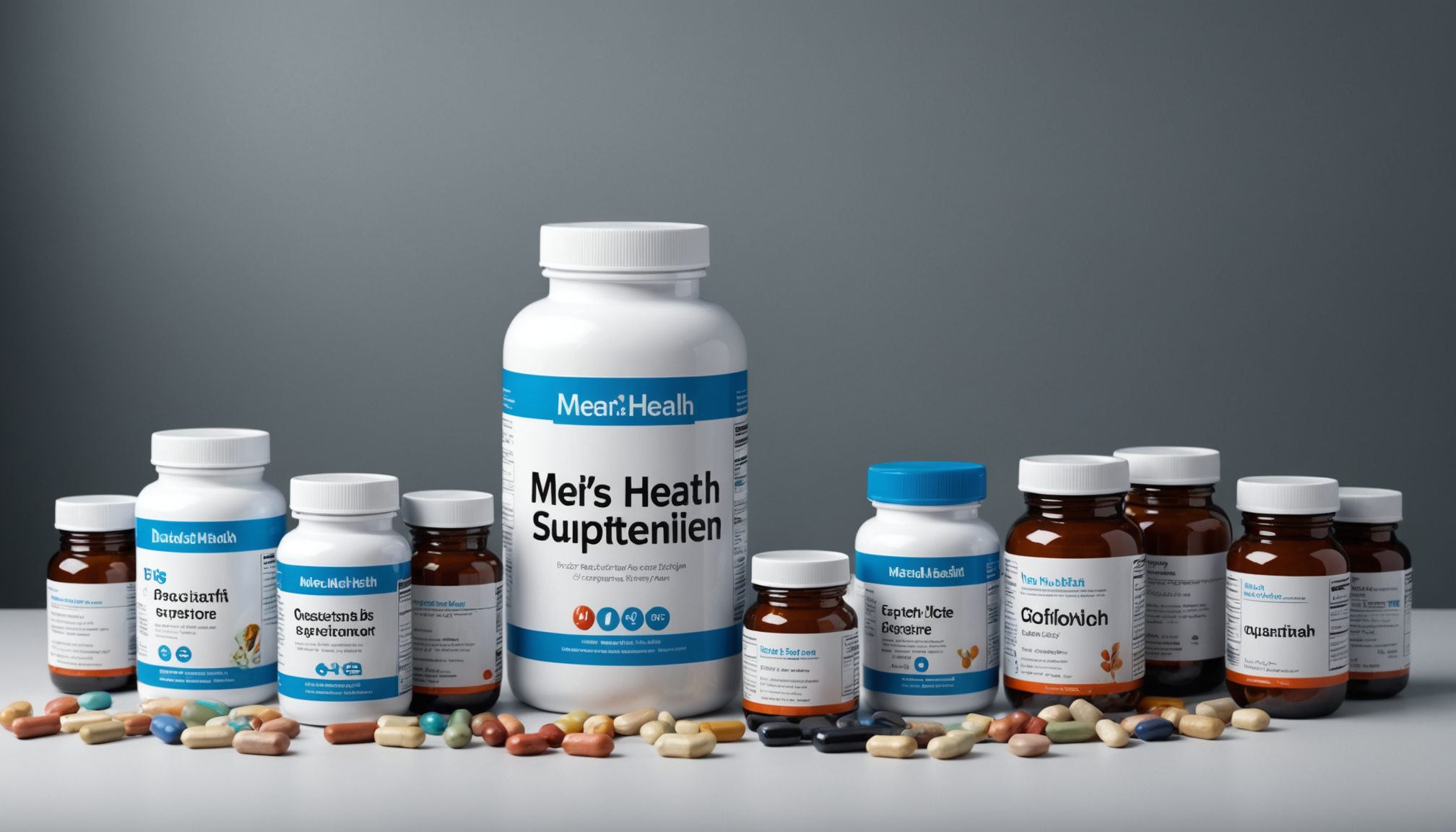
Men’s sexual health supplements
Disclaimer: This self‑check questionnaire is for educational purposes only. It does not diagnose any condition, replace professional medical advice, or recommend treatment. If you have concerns, persistent symptoms, or uncertainty, consult a qualified healthcare professional.
Interest in men’s sexual health supplements has grown as men look for ways to support libido, energy, circulation, and overall well‑being. Supplements can include vitamins, minerals, botanicals, and amino acids. Because responses vary widely—and because symptoms can overlap with medical conditions—this self‑check helps you reflect on your situation before making decisions.
Questionnaire
Check all statements that apply to you over the past 3–6 months.
- I’ve noticed changes in sexual desire or satisfaction compared with my usual baseline.
- Erections feel less firm or less reliable than before.
- Fatigue, stress, or poor sleep seems to affect my sexual performance.
- I experience performance anxiety or worry about sexual encounters.
- I’m considering supplements because lifestyle changes alone haven’t helped.
- I take prescription medications that may influence sexual function.
- I have long‑term conditions (e.g., diabetes, high blood pressure, obesity).
- I smoke, vape, or use nicotine products regularly.
- I drink alcohol more than moderately.
- My diet may be low in key nutrients (e.g., zinc, magnesium, omega‑3s).
- I’ve seen online claims about “natural” products and feel unsure what’s credible.
- I’m sensitive to stimulants or have had side effects from supplements before.
- I prefer non‑prescription options but want evidence‑informed choices.
- Symptoms have lasted longer than 3 months.
- Symptoms appeared suddenly after an illness, injury, or major life change.
- I haven’t discussed these concerns with a healthcare professional yet.
How to interpret answers
Use the guide below to reflect on whether seeking professional advice may be helpful. This is not a diagnosis.
- Low reason to seek help: Few items checked; symptoms are mild, occasional, and closely tied to stress, sleep, or temporary lifestyle factors.
- Medium reason to seek help: Several items checked; symptoms persist, affect quality of life, or you’re considering supplements but feel uncertain about safety or interactions.
- High reason to seek help: Many items checked; symptoms are persistent, worsening, linked to chronic conditions or medications, or started suddenly.
Next steps: what to do
- Track patterns: Note timing, triggers (stress, alcohol), and duration of symptoms.
- Review lifestyle basics: Sleep, exercise, nutrition, and stress management often matter more than any supplement.
- List current products: Write down all supplements and medications, including doses.
- Check evidence: Look for human studies, standardized extracts, and transparent labeling.
- Choose the right specialist: Start with a primary care clinician; they may refer to a urologist or endocrinologist if needed.
- Prepare questions: Ask about causes, interactions, realistic expectations, and monitoring.
- Reassess regularly: If trying a supplement, reassess after 8–12 weeks and stop if adverse effects occur.
| Situation | Urgency | Action |
|---|---|---|
| Mild, occasional changes with clear stress triggers | Low | Focus on lifestyle; monitor symptoms |
| Persistent symptoms affecting quality of life | Medium | Discuss with a clinician before starting supplements |
| Sudden onset, pain, or systemic symptoms | High | Seek medical evaluation promptly |
| Multiple medications or chronic conditions | Medium–High | Professional review for interactions and safety |
FAQ
Are men’s sexual health supplements regulated?
Dietary supplements are regulated differently from medications. Quality and claims vary; third‑party testing and transparent labels are important.
Do “natural” ingredients mean safe?
No. Botanicals can interact with medications or cause side effects. Natural does not equal risk‑free.
How long does it take to notice changes?
Responses vary. Many nutrients require weeks to months; immediate effects should be viewed cautiously.
Can supplements replace medical treatment?
Supplements are not substitutes for medical evaluation or treatment when indicated.
What nutrients are commonly discussed?
Zinc, vitamin D, magnesium, omega‑3s, L‑arginine, and certain herbal extracts are often mentioned, with mixed evidence.
How can I reduce risk?
Avoid megadoses, check interactions, choose reputable brands, and consult a professional.
Where can I learn more on this site?
Explore related topics in general health insights, evidence‑based wellness, and lifestyle education.
Sources
- National Institutes of Health (NIH), Office of Dietary Supplements
- U.S. Food & Drug Administration (FDA) — Dietary Supplements
- Mayo Clinic — Men’s health and sexual health resources
- European Association of Urology (EAU) guidelines (patient summaries)
